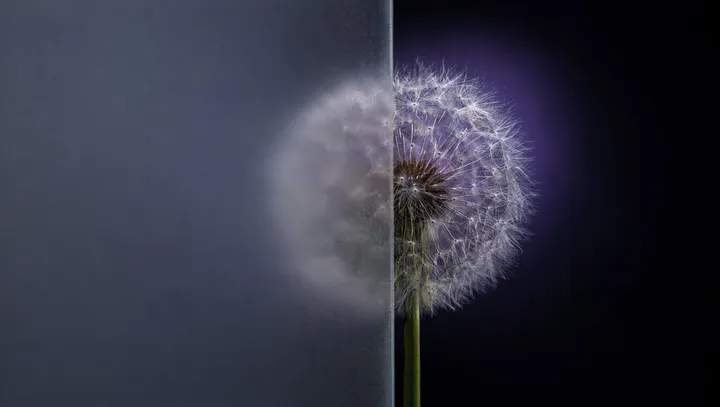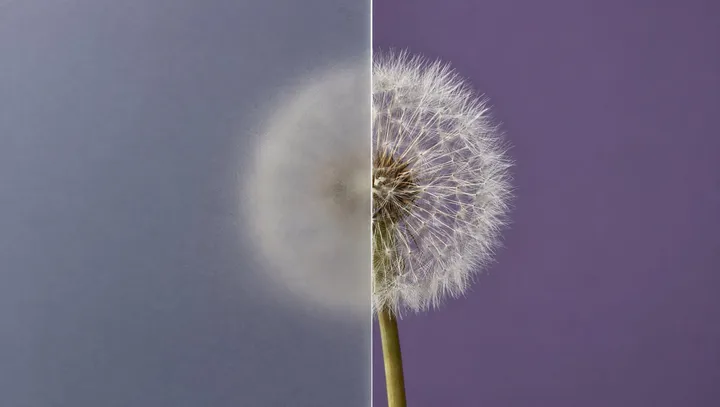
It is late, the house is quiet, and a single screen is the only light in the room. Someone has just finished an episode, and before they have decided anything, the next one has already begun.
That moment was designed. I know, because for years I was one of the people designing moments like it.
A room full of people thinking about feelings
I led design for streaming products at a global entertainment company. Commerce, onboarding, discovery, the whole life of a subscriber, from the first time they heard of us to the evening they decided whether to stay. It was serious work done by serious people, and what struck me first was how much of it was about feeling.
We talked about anticipation as if it were a material. We argued about the half second between pressing play and seeing a picture, because that half second changed how the whole evening felt. We knew that a person arriving tired on a Friday night wanted something different from the same person on a Sunday morning, and we built products that noticed. None of this was decoration. It was the product.
Entertainment understands something that most industries only half believe: people do not remember what a product does. They remember how it made them feel, and they return to the things that made them feel something worth returning to.
Then I went looking for the same care in wellness
I was spending more and more of my own life in wellness. Breathwork, Ayurveda, retreats, apps that promised calm. Some of the practices changed me. Almost none of the experiences around them were designed with anything like the care I was used to.
The moment it became impossible to ignore was at a well known resort on the Kenyan coast. We arrived with family in tow, sticky from hours on the road, wanting only to feel that we had arrived. Instead we sat in a hot lobby for more than an hour, filling in paper forms on clipboards under harsh overhead light. Everything about that place promised rest. Nothing about the first hour delivered it.
It was not a failure of kindness. The staff were lovely. It was a failure of design. Nobody had sat down and asked how the first hour should feel, in what order, and what the building, the paperwork and the people needed to do to make it feel that way. In entertainment, that question would have been asked before anything else.
The industry that exists to make people feel better is, very often, not designed to make them feel anything at all.
The colour script
Animation studios have a tool I love. Before a film is made, an artist paints a colour script: a long strip of small frames, one for each part of the story, each painted in the colour of how that moment should feel. Warm for safety. Cold for loss. A burst of light where the story turns. You can hold the whole emotional life of a film in your hands before a single scene exists.
It is the best design tool I know, and it is the one I use most with founders.
When someone brings me a wellness idea, a clinic, an app, a retreat, a programme for children, we do not start with screens or floor plans. We start with the strip. We write down every moment a person meets the idea, in order, from the first time they hear of it to the week after they have left. Then we colour each moment by how it feels today, honestly, and by how it should feel.
What comes back is almost always the same picture. A warm first frame, because the promise is lovely. Then a run of grey and red: booking, forms, the first confusing screen, the waiting room, the reminder that arrives at the wrong time. A single bright frame somewhere in the middle, where the real practice happens. And an ending that fades out, because nobody designed the ending at all.
Founders do not need to know a word of design language to read that strip. They see it in a second. That is the point. The job is not to make them fluent in our vocabulary. It is to make the thing they are building visible, early enough that it can still change.
What carries over
A lot of what entertainment knows belongs in wellness. Four things, especially.
Pacing. Entertainment never gives you everything at once. It reveals, layer by layer, at the speed you can take in. Health information is almost always delivered the other way, all at once, in the language of the expert. When we designed Remedae, our health literacy platform, we borrowed the pacing of discovery: you meet a remedy through the kitchen or the tradition it comes from first, then what it does, then what the research says, each layer arriving when you are ready for it.
Anticipation. The hours before an experience are part of the experience. A retreat begins the day someone books it. An app begins the moment a friend mentions it. Entertainment treats that time as precious. Wellness usually hands it to a confirmation email.
Endings. Psychologists have a name for something every storyteller knows: the peak end rule. We judge an experience largely by its most intense moment and by how it ends, much more than by its average. A film that ends badly is a bad film. A retreat that ends with a rushed checkout and nothing to carry home is, in memory, a lesser retreat, however good the middle was.
Relevance. The same person needs different things on different days. Entertainment built whole systems around that idea. Wellness still often serves the same experience to a new mother at three in the morning and an executive between meetings.
What must not carry over
Here is the part I care about most.
Entertainment also learned how to hold on to people who would rather leave. Autoplay that decides for you. Feeds that never end. Rewards that arrive at random because randomness keeps you checking. Streaks that turn a practice into a debt. These techniques work, which is exactly why they are dangerous, and they have found their way into a great deal of wellness already: the meditation app that makes you feel guilty for missing a day, the fitness tracker that turns rest into failure.
Someone arriving at a wellness experience is often already stretched. Stressed, tired, a little ashamed of needing help. Design that pulls at them compounds the very thing they came to ease. So we draw a line. We take the craft: the pacing, the care over moments, the attention to how things feel. We leave the appetite. A wellness product should be judged by whether people’s lives improve, and whether they want to come back, not by how hard it is to leave.
That is harder to design. It is also the only version worth making.
Why this matters now
Wellness has grown into one of the largest parts of how people spend their money and their time. It has more science behind it than ever, more capital, more attention. What it has not caught up on is design: the plain, careful work of deciding how each moment should feel, and then making it feel that way.
That gap is where Hue & Heal lives. In the Studio, we help founders see what they are building before it exists, and then design it with them, from the first product screens to the whole service around it. In the Lab, we build ventures for the world, so everything we advise we have first put to the test. And through Mind, we teach the same way of thinking to people who want to design their own lives with more intention.
The craft that keeps people watching can also help them heal. It just has to be pointed the right way, and held to a higher standard than attention.
The screen in that quiet room will keep glowing. I would like more of the things that glow at people to leave them a little better than they found them.
Want to see your own idea clearly?
Start a conversation